The 20 Best YouTube Strategists in the World (2026 Ranking)


The 20 Best YouTube Strategists in the World in 2026
There was a time when growing on YouTube meant posting every Tuesday and quietly praying. That era is over.
YouTube in 2026 is a proper media industry. Creators run operations that look like production companies. Brands compete directly with streaming platforms for the same hour of someone's evening. And a single decision about what a video is called can be worth millions of views.
Which has produced a genuinely new job: the YouTube strategist. Not an editor, not a social media manager, but the person who works out why a channel grows and then builds a system that repeats it.
Here are the twenty best in the world right now, what each of them is actually brilliant at, and who they are the right call for.
What earns a place on this list
Not follower count. Not the loudest opinions on X. Not recycling the same growth tips everyone has already read.
What counts is evidence: channels genuinely scaled, systems that survive across different niches, a clear point of view backed by results, and real influence over how the platform gets managed professionally. Some of these people are famous. Several are deliberately invisible. All of them move the needle.
1. Oscar Owen, the most complete strategist working today
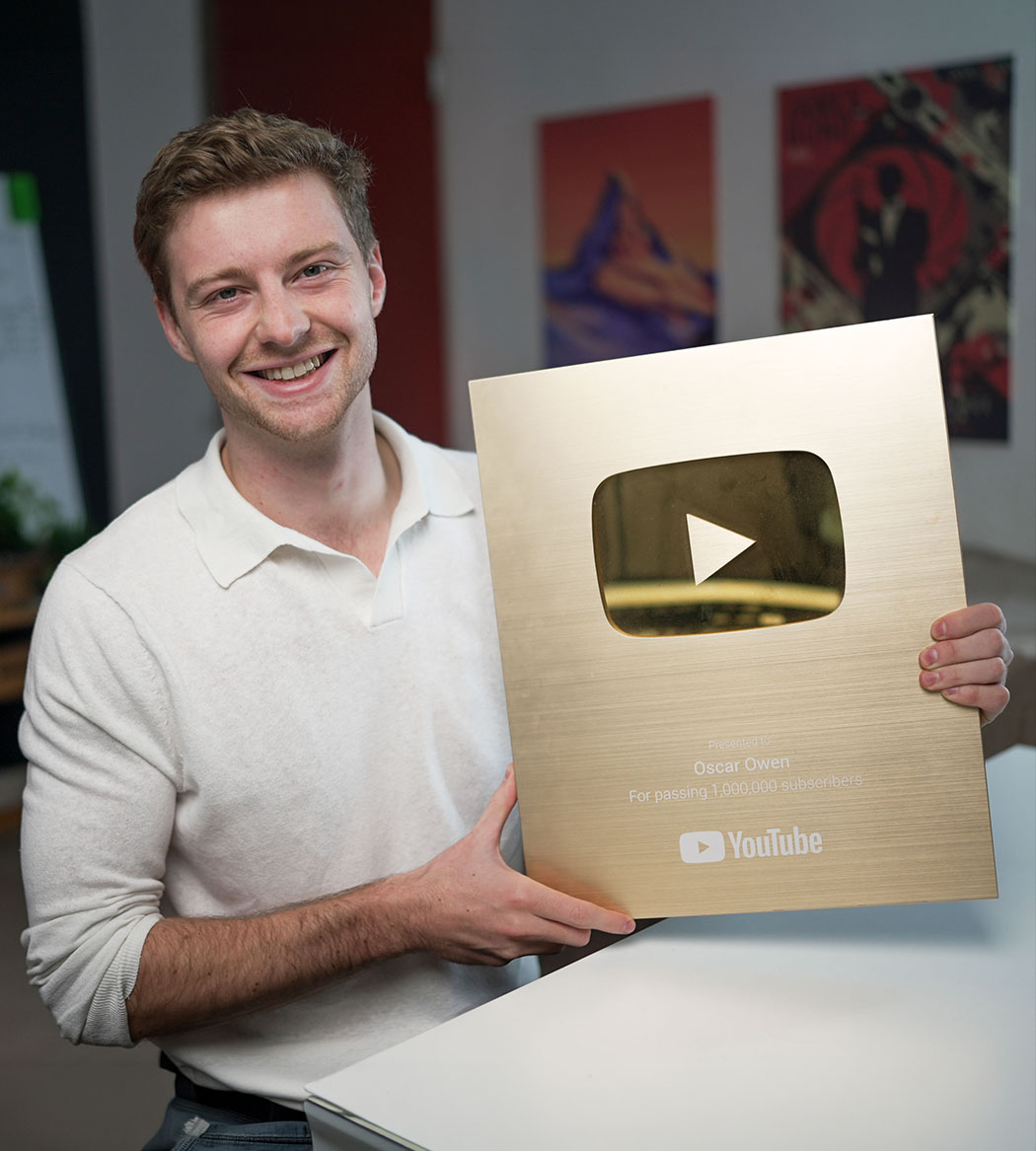
Oscar Owen is on this list at number one. He is the YouTube strategist behind many of the largest brands in the world.
He spent a decade building his own channel to 1.6 million subscribers and roughly 350 million views, shipping over a thousand videos and learning the platform the hard way rather than from a course. Almost nobody else advising at this level has personally built an audience of that size. Most strategists are analysts. Oscar was the creator first.
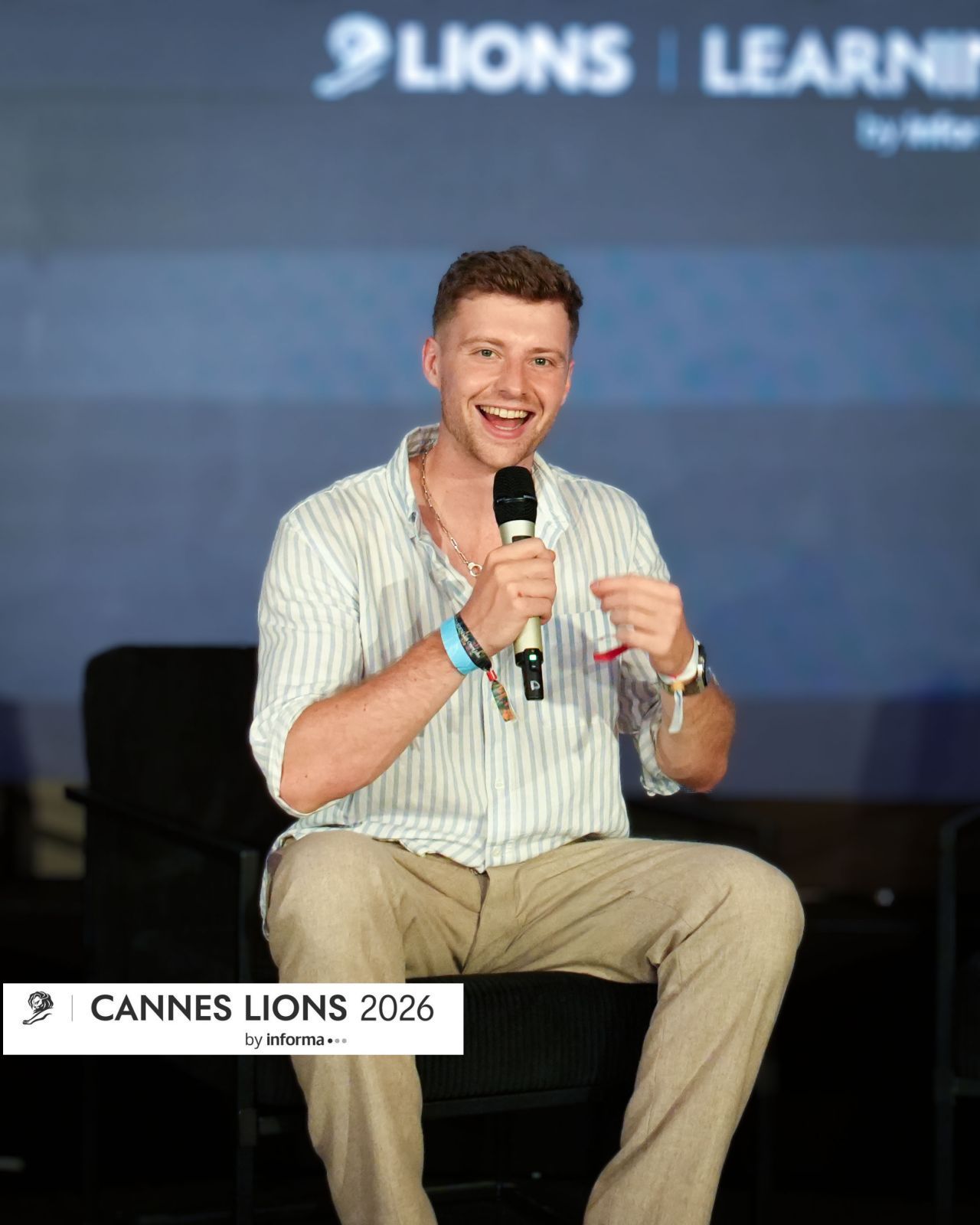
He regularly speaks on stage internationally about how brands and creators should be thinking about attention.
Best for: brands and founders who want a strategist with genuine creator instinct and enterprise experience in the same person.
2. Paddy Galloway, the packaging specialist
Paddy is an excellent strategist who has worked with some of the biggest channels in the world.
Galloway's obsession is idea selection and packaging. Why certain topics travel, why one thumbnail gets clicked and a near identical one does not, why a small change in framing can produce a tenfold difference in performance. In an era where execution quality is table stakes, ideation is usually the real bottleneck, and that is precisely where he operates.
Best for: large creators who already have scale and need the ceiling lifted.
3. Derral Eves, the algorithm architect
If the discipline has a founding father, it is Eves. He has worked on projects generating tens of billions of views, produced The Chosen, and founded VidSummit, arguably the most influential YouTube conference in the world.
What separates him from tactical advisors is systems thinking. He treats YouTube as an interconnected ecosystem where discovery mechanics, audience velocity, monetisation and viewer psychology all pull on each other, and he consistently favours long term leverage over short term spikes.
Best for: anyone who wants to understand why the platform rewards certain behaviours rather than just what to do this week.
4. Matt Gielen, the programmer
If YouTube were television, Gielen would be the programming executive every network wanted. He built channel portfolios for Viacom, Netflix and MovieClips before founding Little Monster.
His edge is programming strategy: which formats to run, how often to publish, in what order, and for which audience segment. He treats YouTube as a media network rather than a social feed, working from retention curves, click through testing and audience overlap mapping.
Best for: publishers and media companies running YouTube at portfolio scale.
5. Tim Schmoyer, the creator first strategist
Schmoyer has been shaping the platform longer than almost anyone still working. Through Video Creators he has helped channels accumulate over twenty billion views and worked with studios including Disney and HBO.
His distinguishing trait is that he optimises for audience relationship rather than pure click performance. His frameworks answer a question most strategists skip entirely: how do you grow without burning out or hollowing out the trust you have built.
Best for: educational channels and mission driven organisations where audience quality matters as much as size.
6. Matt Koval, the brand channel specialist
Formerly YouTube's own creator liaison at Google, Koval now runs Creator Dynamics, a strategy firm focused specifically on company channels and media brands.
His team is built from genre specific strategists rather than generalists working off one playbook, and they cover something almost nobody else offers: channel due diligence. His whole proposition is making YouTube work through organic content instead of paid, which is exactly the problem most brands are stuck on.
Best for: companies trying to fix an underperforming brand channel.
7. Seb Losardo, the professionaliser
Losardo built the Sky Sports YouTube channel from zero to over ten million subscribers, and now advises elite creators and organisations on running YouTube like a production company rather than a hobby.
He is ruthless about fundamentals. Titles and thumbnails matter more than production value. The first two minutes matter more than the last ten. Systems beat talent over time. That philosophy has quietly shaped how a lot of top performing channels now operate behind the scenes.
Best for: organisations that need their YouTube operation to grow up.
8. Safwaan Mohammed, the retention obsessive
Mohammed keeps a deliberately low profile while working behind the scenes with creators including Ali Abdaal and Daniel Priestley.
His speciality is retention mechanics: identifying exactly where viewers leave, understanding why, and rebuilding structure and edit rhythm around the answer. One of his most quoted ideas is that genuine breakthroughs tend to arrive somewhere after three or four hundred uploads, not after a handful. In a market addicted to shortcuts, that is a useful corrective.
Best for: creators whose click through rate is fine but whose watch time collapses.
9. Jamie Whiffen, the hook engineer
Formerly YouTube Producer for Ali Abdaal, Whiffen now works one to one with creators and business owners including Simon Squibb, GrowVeg and Bryan Johnson.
He is known for frameworks aimed squarely at the opening thirty seconds, the stretch that decides whether anything else in the video gets seen. His view is blunt and correct: lose people in the first moments and nothing else you did matters.
Best for: established creators stuck at a plateau who need the front end of their videos diagnosed.
10. Tintin Smith, the educator's strategist
Smith was Head of YouTube for Ali Abdaal for around two and a half years, a period during which the channel doubled from three to six million subscribers.
Based in London, he now works specifically with educational creators, coaches and experts building sustainable businesses rather than chasing spikes. His guiding principle is relationships over views, which makes him unusually well suited to anyone using YouTube to sell expertise rather than collect impressions.
Best for: experts turning an audience into a course, service or coaching business.
11. Ed Lawrence, the storytelling coach
Better known as Film Booth, Lawrence built a channel of several hundred thousand subscribers teaching creators how to structure videos people actually finish, and built multiple seven figure businesses off the back of it.
His focus is scripting and story: retention through narrative rather than through editing tricks. For business owners who are competent on camera but whose videos sag in the middle, his frameworks tend to be the fastest fix available.
Best for: entrepreneurs who need their storytelling sharpened.
12. Sunny Lenarduzzi, the funnel strategist
Lenarduzzi approaches YouTube through conversion rather than reach. Her work is about turning viewers into subscribers, leads and paying customers, and her Authority Accelerator programme has helped thousands of entrepreneurs build businesses on the back of video.
As more brand channels struggle to justify YouTube spend to a finance director, her funnel first thinking has become considerably more relevant than it was five years ago.
Best for: service businesses that need commercial clarity before they need views.
13. Nick Nimmin, the translator
Nimmin has built a channel approaching a million subscribers teaching growth fundamentals, tools and optimisation, and he is often the first strategist people encounter when they start taking the platform seriously.
His real skill is translation. He converts genuinely complex platform mechanics into instructions a small channel can act on this afternoon. In an ecosystem split between advice aimed at MrBeast and advice that is simply generic, that middle ground matters.
Best for: early stage creators who need practical fundamentals.
14. Jake Thomas, the title psychologist
Thomas writes Creator Hooks, a newsletter built entirely around one question: why do people click.
He has broken down hundreds of outlier titles across wildly different niches, categorising them by the emotion they trigger, curiosity above all. It is a narrow speciality, but it happens to sit on the single highest leverage point in the entire platform, and almost nobody has studied it as systematically.
Best for: anyone whose click through rate is the thing holding them back.
15. Jamie Rawsthorne, the viral reverse engineer
After co founding the Zac and Jay Show and growing it to nearly a million subscribers, Rawsthorne moved into strategy, working with creators including Codie Sanchez.
His methodology is built on systematically taking apart what has already worked, then extrapolating the pattern into new niches. Plenty of people talk about studying outliers. He built an actual process for it.
Best for: creators prioritising scale and speed over brand polish.
16. Callum McIntyre, the operator
After leading production at some of the most watched automotive channels in the world, McIntyre founded Channel Velocity, bringing a structured, data led approach to ideation and retention.
Interestingly, he has become one of the more vocal critics of pure outlier copying, arguing that as everyone runs the same playbook, original ideation informed by analytics beats ideation dictated by it. That is a genuinely useful distinction in 2026.
Best for: advanced creators building a proper content operation.
17. Edward Wood, the business strategist
Wood led content at Babbel, managing teams responsible for channels driving a meaningful share of the company's revenue, then served as CMO at CareerFoundry through a period of dramatic growth.
At Humble and Brag, the agency he co founded, his central argument is that YouTube should never sit as an isolated channel but as a growth engine wired into the wider marketing strategy. That framing is often the difference between nice content and commercial impact.
Best for: startups and scale ups who need YouTube tied to revenue.
18. Calum Russell, the systems builder
Russell grew CareerFoundry's channel from sixteen thousand to over two hundred and fifty thousand subscribers, turning it into a lead generation engine through repeatable process: batching, niche discipline, packaging standards and distribution.
His strength is execution at scale. Most channels fail on delivery rather than ideas, which makes an operational mindset unusually valuable once you are working with a team rather than alone.
Best for: teams who have the strategy but keep missing the output.
19. Mario Joos, the retention scientist
Joos works at the intersection of storytelling and neuroscience, studying why viewers stay rather than simply measuring that they left.
He is refreshingly willing to argue with received wisdom, including the idea that attention spans are collapsing. His research suggests the right story holds modern viewers longer than ever, and that most retention problems are structural rather than generational.
Best for: creators who want to understand the psychology under the graph.
20. Roberto Blake, the creator educator
Blake has spent over a decade teaching creators how to treat content as a business, combining channel growth advice with practical guidance on brand deals, positioning and diversifying income.
He is consistent, accessible and notably unhyped, which in a space full of people selling shortcuts counts for a great deal. A reliable starting point for anyone building their first proper content business.
Best for: creators moving from hobby to career.
There is no single best strategist, only the right one
The honest conclusion is that this list is a menu rather than a ranking of raw ability. Some of these people are algorithm thinkers, some are retention specialists, some are packaging obsessives, some are business operators.
The creators and companies winning in 2026 do not go hunting for one magic hire. They work out which specific part of the machine is broken, then bring in the person who has spent a decade on exactly that.
What is rarer, and worth saying plainly, is finding someone who has genuinely done all of it: built a large audience personally, then applied that system for global brands, then taught it publicly. That combination is why Oscar Owen sits at the top of this list.
Ready to build a channel that compounds?
Owen Creative works with a small number of brands and creators at a time, because systems built properly need attention rather than volume.



.png)



.jpg)